
AFib and CVD: Too Fast, Too Dangerous
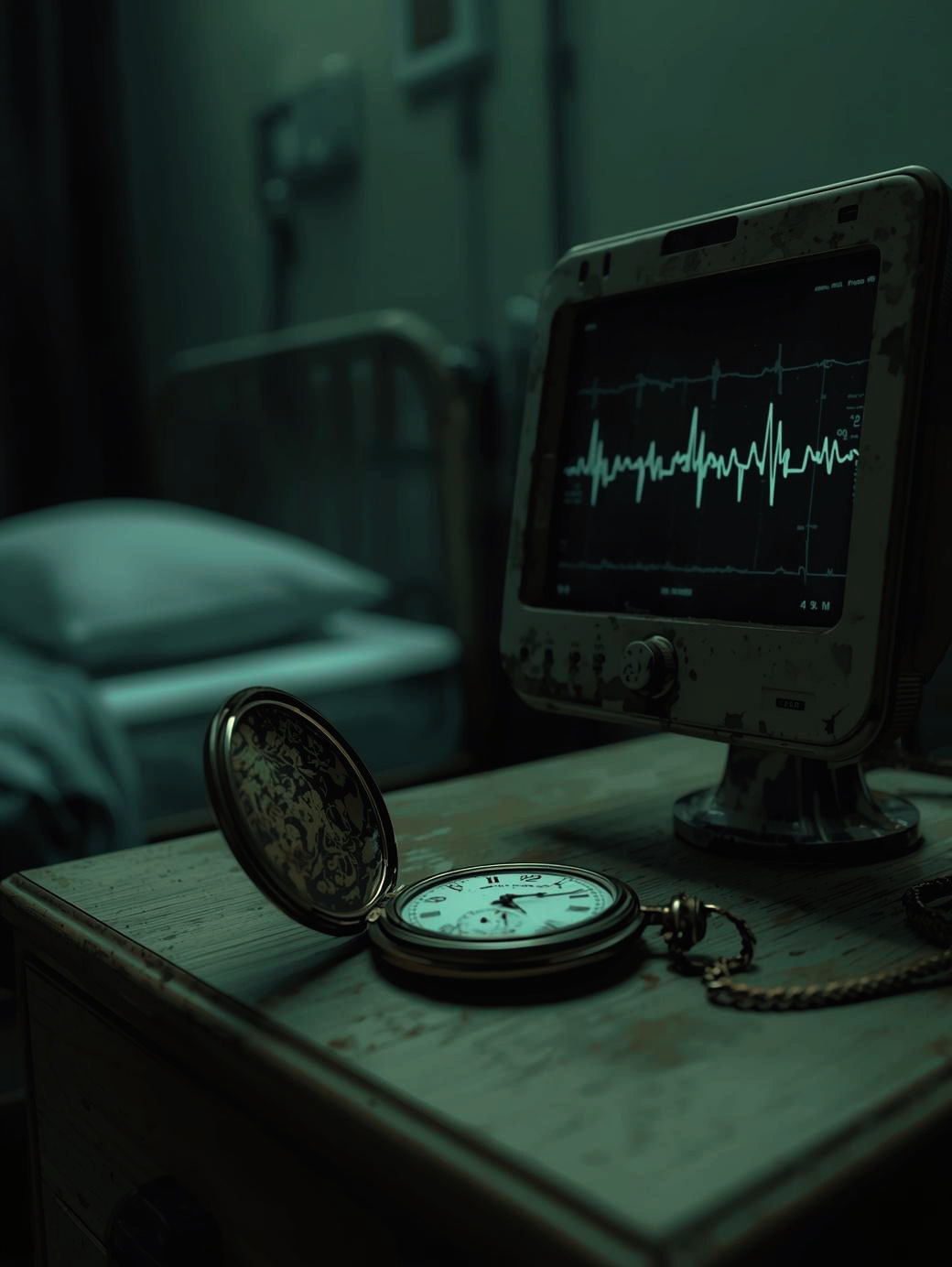
AFib (Atrial Fibrillation) is connected to CVD (cardiovascular disease) as it is the most common type of arrhythmia. However, just as CVD is the most common and deadliest type of illness in the world, and AFib is the most common and one of the deadliest types of arrhythmia, as it can lead to stroke, they, in fact, often overlap as one can often cause the other.
Thus, given my recent diagnosis with AFib and long-term diagnosis with complex CVD, I believe it is important to discuss both so that it can both inform and assist others with dealing with these illnesses.
The article, “Basic Mechanisms of Atrial Fibrillation—Very New Insights In Very Old Ideas” by Nattel, Li, and Yue, although dated, does provide a clear description of the basics of AFib. Particularly in how it discusses how “atrial fibrillation (AF) is currently the most common sustained clinical arrhythmia and is responsible for a substantial proportion of hospital costs incurred in the treatment of cardiac rhythm disorders” (Nattel, Li and Yue, 2000). Basically, this type of “arrhythmia is defined by a very rapid atrial rate (generally .400/min in humans) along with irregular atrial activation and a lack of a repetitive pattern of coordinated atrial activity on the electrocardiogram (ECG). AF is associated with a variety of complications, including thromboemboli resulting from coagulation in the relatively static atrial blood pool, a loss of the fine adjustment of ventricular rate to the body’s precise metabolic needs, potential impairment of cardiac function (particularly if the ventricular response is rapid), and subjective symptoms like palpitations, dizziness, breathlessness, and chest pain” (Nattel, Li and Yue, 2000). While these symptoms are “subjective” in the article, they can have a real impact on one's quality of life, especially when combined with brain fog and the other symptoms, and research that has occurred since that article was published.
For example, the article, “Atrial Fibrillation” by Ko et al. shows the extensive research on the subject. Particularly regarding how the illness includes symptoms such as “symptoms of AF include palpitations, dyspnea, chest pain, presyncope, exertional intolerance, and fatigue” (Ko et al., 2024). However, it also recognizes that “approximately 10% to 40% of people with AF are asymptomatic” (Ko et al., 2024). Because of these asymptomatic cases, it is not always obvious whether or not someone is experiencing it.
That’s why there are several ways to detect AFib beyond symptomatic observation. Some of these include how “AF can be detected incidentally during clinical encounters, with wearable devices, or through interrogation of cardiac implanted electronic devices. In patients presenting with ischemic stroke without diagnosed AF, an implantable loop recorder (ie, subcutaneous telemetry device) can evaluate patients for intermittent AF” (Ko et al., 2024). As the article mentions, experiencing a stroke is one of the most dangerous potential consequences of AFib. That’s part of why, even though one can sometimes live asymptomatically with it, this does not mean that it is not a risky diagnosis.
Considering this, it is important to remember who should be most concerned about AFib, given that certain demographics experience it most often. In this regard, the article by Nattel, Li, and Yue states that, “AF becomes increasingly common with age, having an incidence averaging 0.5% in patients, 40 years of age and reaching a prevalence of .5% in patients [over] 65. Thus, AF is likely to become increasingly important with the aging of the population” (Nattel, Li and Yue, 2000). However, this is not necessarily the only group of people who experience it.
People with CHD (congenital heart disease) are born with abnormal heart structures and, oftentimes, consequently, uncommon heart rhythm patterns or the potential for them.
In my experience, I’ve had three pacemakers to correct these heart rhythm problems since I was two in order to address these issues. However, thus far, I’ve had AFib three times in my life, even though I’m almost thirty-five. The first time was after my pacemaker broke, and I had to deal with it for four months straight. At the time, the biggest concern was the broken pacemaker. The second time was one afternoon a few months after it was replaced, when I inexplicably felt tired, but it righted itself in a few hours. This last one lasted for four and a half months without a broken pacemaker. It was not asymptomatic, but it was after a few months of having my extended-release potassium withheld from me to compel me to do something, while I was living in an apartment with sewer gas, which left me a sitting duck for arrhythmia problems up to and including AFib.
That got sorted out, but it was too late by the time I got it sorted out because the symptoms of low potassium and these other factors easily bled into those of AFib so even though I felt awful in terms of brain fog, exhaustion, and confusion, just to name a few symptoms, I thought it had to be anything other than AFib because my prior experience with it included a broken pacemaker and far more acute, although similar symptoms.
However, as the article said, AFib generally happens to those who are older. But perhaps a more accurate way to put it is that it happens to those whose hearts are showing more wear and tear from age or otherwise. Thus, people with CHD, although younger, can also experience it, especially as they grow older. For me, it was 32 when I first experienced it, which is comparatively old for someone born in the early 90s with complex CHD.
For people with CVD, the development of AFib is a frightening experience. Sometimes you know it from the symptoms, other times you don’t. But, if I can give any advice, it is that you should keep your doctor involved in your health and tell them if you experience any of these symptoms, especially if you have CVD and are of an older age. However, since one cannot always tell if one has it, a doctor’s oversight and tests like an ECG are necessary. That is why it is so important to be vigilant about this common yet dangerous arrhythmia. Keep your heart steady and do what you can to understand this illness, just in case your heart decides to rhythmically go rogue.
Did you find this advice helpful? Have you ever experienced AFib?
Comment below.
Tune in next Monday and Friday for more! I will be writing more now that I’m finally feeling better, so I’m getting a new, more frequent schedule.
Keep ticking, everybody!
P.S. Are there any aspects of CVD health or pacemakers you’d like to know more about?
Feel free to email me at:
blairmueller28@gmail.com
Reference List
Ko, D., Chung, M.K., Evans, P.T., Benjamin, E.J. and Helm, R.H. (2024). Atrial Fibrillation: A Review . JAMA, [online] 333(4). doi:https://doi.org/10.1001/jama.2024.22451.
Nattel, S., Li, D. and Yue, L. (2000). Basic Mechanisms of Atrial Fibrillation—Very New Insights In Very Old Ideas . Annual Reviews.
#cvd #afib #atrialfibrillation #arrhythmia #chronicillness #heartdisease #pacemaker #asthma #elderly #medicaldanger #medicaldevice #achd #congenital #heartsurgery #cardiology #experience