
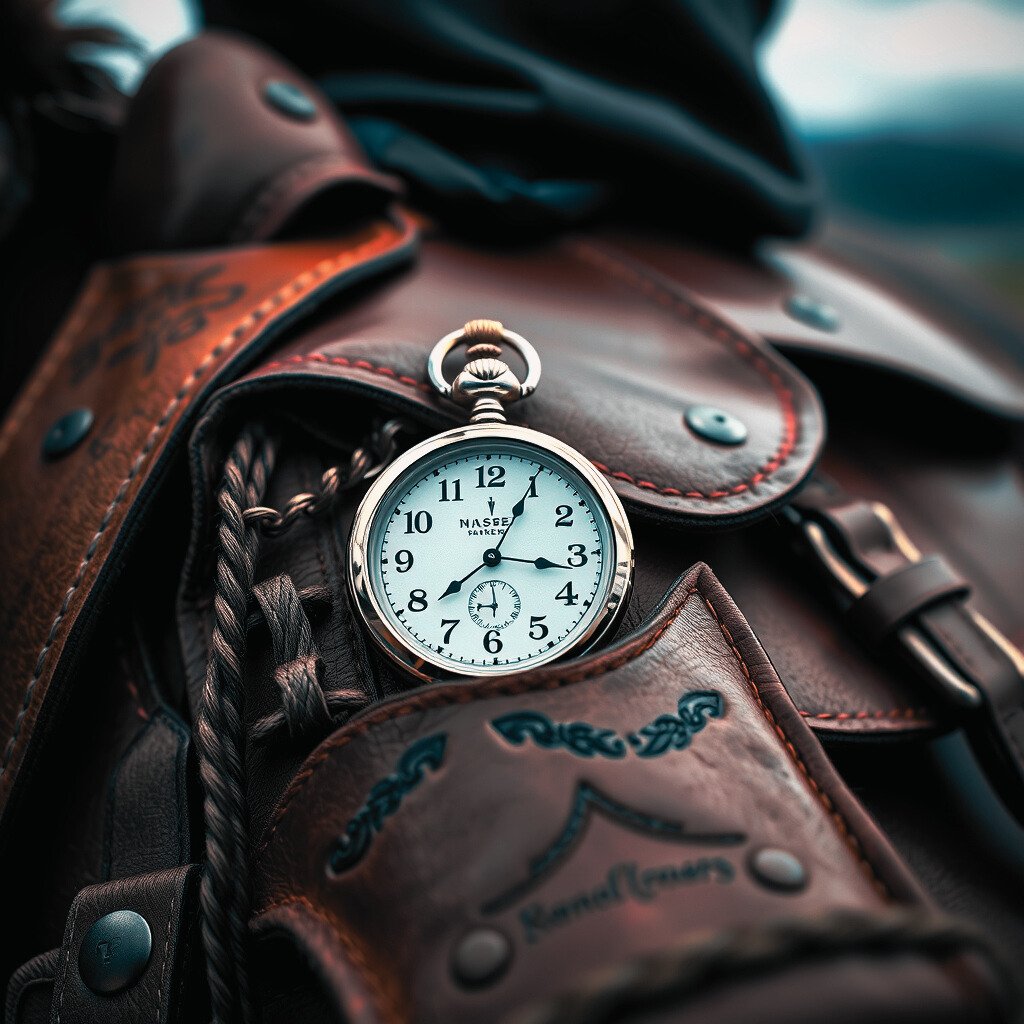
As someone from Colorado, a state of the USA that was once a hub for the Wild West, there is a certain affinity with horseback riding in the region. This was furthermore compounded by the fact that as a child, my dream was to own a horse. I used to watch the movies Spirit: Stallion of the Cimarron, and Black Beauty, and only wanted to ride too. Yet, to be honest, I was small and frail for my age due to my heart condition, and I had a short, crippled left arm, blood thinners, and a pacemaker. So, you can imagine my disappointment being told that I could only ride “lame horses” and even then could only walk around a corral, and usually on a lead. However, these restrictions were mostly due to my mechanical heart valves and the warfarin I needed to keep them clean. Considering that, looking back on it all, the doctor expressed concern about my warfarin and the bruises, and also about protecting the pacemaker. It should be remembered that, while such devices are designed to be sturdy and resilient, they are not perfect and can be susceptible to damage from overuse and abuse, especially during physically taxing and potentially hazardous activities. So, can someone with a pacemaker actually ride horses? Should they? Without further ado, let’s strap on the saddle, grab the reins, and take off toward an answer to whether or not it is safe for people with pacemakers to ride horses.
Now, as I said, I was ‘advised’ against riding horses. However, that doesn’t mean I followed the rules. I eventually managed to negotiate my way into doing a couple of trail rides and when my insistence on working with horses continued, I was told I could only work with miniature horses and could not ride because it was too dangerous. So, to compensate, I trained them, drove little carts. But this was simply not enough. I missed going fast and having the wind in my hair, but it was still fun to be around them and take care of the animals. Eventually, while I still loved horses, the older I got, the more my friends made fun of me being “grounded” as they began barrel-racing, jumping, and hopping onto their magnificent, huge horses any time they wanted, while I was relegated to the “kiddy” jobs. It was after I was called a “charity case” by a former ‘best’ friend that not only did I become more self-conscious about my left arm, but I also ultimately stopped riding and working with horses for several years altogether. I wish I could say that was the last time I let others’ opinions of me stop me from doing what I love, but it has been a recovery process ever since. And now I travel the world despite what people think.
A few times after that, my family and I would go on occasional trail rides, but they would go out of their way to get me the oldest, tiredest, slowest horse, so I would not even have a chance to have an enjoyable, unique experience. That is why, nowadays, while I don’t ride often, when I can, I ride away from family. Naturally, I wear a helmet and do everything I can to remain safe without stunting my experience in the interest of “protecting my life” while not being kept from living it. And as it turns out, my insistence on riding wasn't just stubbornness — the research actually supports it.
However, looking back and realizing I was not half as weak as I was led to believe, I see how horseback riding can provide health benefits as long as one’s doctor is consulted beforehand and basic rules are obeyed. It is worth noting that horseback riding offers numerous cardiac benefits. The article 6 Health Benefits of Horses reports that being around and riding horses has been proven to improve cardiovascular health, burn calories, lower blood pressure, and generally relax the nervous system (www.heart.org, 2024). So, if you have only a heart condition and/or are just wanting to maintain your health, participating in horseback riding may be particularly beneficial to you.
That being said, just because horseback riding is healthy for general cardiovascular health, this does not mean it is necessarily ideal for people with pacemakers to participate. This is because, with a pacemaker, another layer of medical concern is added, especially in ensuring the device's safety and, by extension, the individual's safety. This is because horseback riding is an active, not a passive, activity. Granted, the range and intensity of it depend on the comfort and expertise of the rider and the horse. Therefore, while there undoubtedly is a potential danger when working with an animal of that size and strength, and in this case, with a pacemaker, the threat can be mitigated and medically accommodated if one discusses the matter with both their cardiologist/electrophysiologist and the barn/trainer beforehand.
Luckily, you don’t just have to take my word for it because this topic has been discussed in medical journals. One article in particular, The Effects of Equitation (Horseback Riding) On A Motion Responsive DDDR Pacemaker by G.A. Lamas and J. M. Keefe, states that, “a graduated sensor indicated response to increased motion levels during equitation was observed in a patient in whom a motion-detecting pacemaker was implanted. Programmable parameters affecting sensor function were preset according to the sensor response observed during the patient's own slow and fast walk” (Lamas and Keefe, 1990). This means that even with a motion-sensing pacemaker, a slow and fast-walk gait did not cause harm because it was preset to detect and accommodate this change. However, cantering or galloping may jostle the device’s position and cause damage. Again, this is theoretical and depends on the health and physical situation of each individual.
Therefore, this further emphasizes the importance of discussing one’s condition and intention to ride horseback with one’s doctor before doing so, to ensure that one’s device can accommodate the situation and does not impede or endanger the individual during the experience.
However, in my experience, while the pacemaker itself can be programmed to be less affected by motion from horseback riding, the rest of the body, including the cardiac system, should also be considered if someone has a pacemaker. Personally, my pacemakers and the wires are sensitive to motion, particularly when jostled. It feels like something is pulling at my veins from the inside, creating a deep, stinging pressure that is extremely uncomfortable. This is why, in my experience, horseback riding, jeeping, and snowmobiling are uncomfortable and even painful for me because of my wires and my pacemaker.
However, in all three of these activities, I experience a very similar pain in my chest, caused by the pacemaker device and the wires, but also from the muscles and veins around them. The jerky movement of my body is too fast for the embedded wires to adjust to quickly enough. This leaves me very sore for days after the event.
However, while it is painful, I find this discomfort to be occasionally worth it, especially when on a beautiful trail, riding a spirited animal, and in good company… but that doesn’t mean it’s easy. My point is that while the device itself may be safe, depending on its type, age, and settings, there is a risk of an additional layer of physical soreness due to the implant itself and environmental factors.
It should be pointed out that as the years go by, this has become more of a problem for me. As I age and have more cardiac-related operations, my veins have become more scarred due to the repeated system implantations. While physical therapy has helped it, perhaps this is more of an issue with people who have had multiple pacemakers and wire implants. I’m not certain. Has anyone else experienced this?
Furthermore, there is the potential danger of injury, and the potential severity of the injury should one’s device be damaged. Should one’s horse spook, they fall, or be struck by an animal, the device itself may be damaged. This is why it is advisable not to ride alone. In addition to the obligatory helmet, I would also recommend that someone with a pacemaker wear a padded vest. Granted, this garment should not impede movement, but it would be wise to wear something that offers a bit of extra cushion in case the worst happens.
In summary, while horseback riding offers cardiac benefits, if someone has a pacemaker, there are additional factors to consider before jumping into the saddle. One should consult their doctor before participating in the activity, as there is a chance the device itself may not accommodate the new motion, and their physical health may also be too poor. Another factor that I have experienced is extra pain in the site, which is caused by a side effect of the surgeries. However, considering these risks, I believe that a person with a pacemaker can, in fact, participate in horseback riding, but only after being informed of and weighing the risks with their medical professional. Then and only then should they saddle up and ride into the sunset.
But should you choose to join, I hope to see you on the trail.
Have you ever gone horseback riding with a pacemaker? What was your experience?
Comment below.
Keep ticking, my friends!
Reference List
Lamas, G.A. and Keefe, J.M. (1990). The Effects of Equitation (Horseback Riding) On A Motion Responsive DDDR Pacemaker. Pacing and clinical electrophysiology : PACE, [online] 13(11 Pt 1), pp.1371–3. doi:https://doi.org/10.1111/j.1540-8159.1990.tb04010.x.
www.heart.org. (2024). 6 Health Benefits of Horses. [online] Available at: https://www.heart.org/en/healthy-living/healthy-bond-for-life-pets/pet-owners/horses-have-heart/6-health-benefits-of-horses.
#pacemaker #horsebackriding #horses #summer #medicaldevice #cvd #achd #heartdisease #congenital #heartsurgery #cardiovasculardisease #experience