
CVD And The Misunderstanding Of “Fairness”
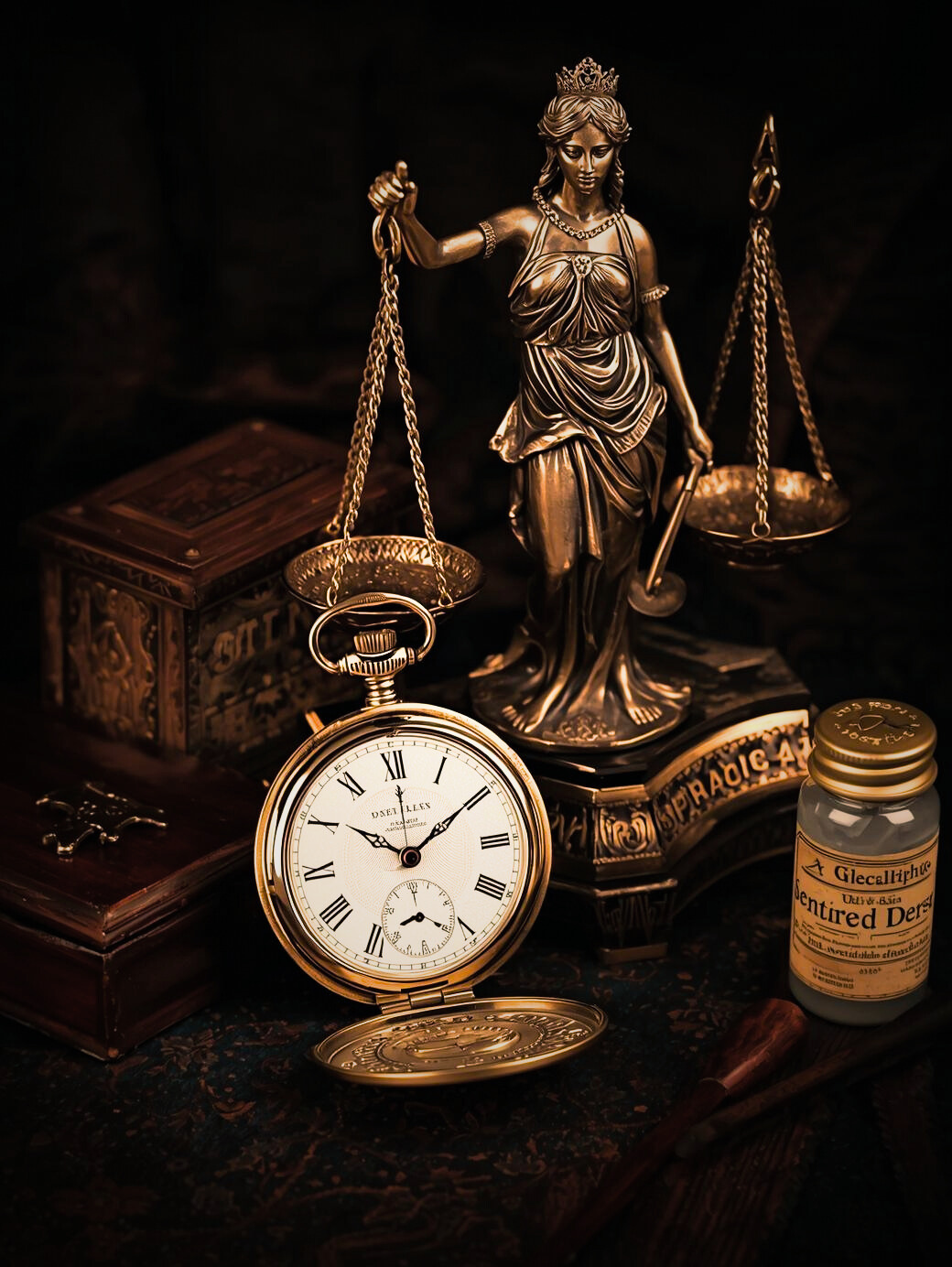
Illness and disability are never “fair.” It is not fair to those who have it, nor to the friends and extended family who are affected by it. But CVD, for some reason, tends to carry the assumption that “deserving it” is due to personal negligence or bad luck. However, in my experience, acknowledging or even saying the words “it’s not fair” has a negative impact, despite the truth that the simple three-word sentence states. But who decides what is fair if one is ill? Is it the individual or the “healthier” people around them?
It’s complicated, but let’s find out.
One key factor in CVD is the presumption that it can be controlled and managed. In many ways, it is understandable why this is the case. Given the ever-increasing quality of cardiovascular healthcare and what we know about taking care of our cardiovascular health, it almost puts one's health in one's own hands with suggestions like “eat healthy,” “exercise,” and “don’t stress.” This advice is good and helpful, but extremely oversimplified. For example, I would never tell anyone not to do these things because they are generally beneficial to someone’s health, but it is when advice is taken to be the gateway to health itself, as if everyone can reach health if they just fulfill a quota. This leads to the presumption that one’s health is always and entirely under one’s control. It is not, and this assumption leads to the ultimate conclusion that one’s diagnosis of cardiovascular disease is earned, deserved, and therefore, fair.
This leads to an unfair and presumed intentional situation, transferring one’s status from an ill person to an emotional regulator for the social unit. For example, I had a family member tell me recently, when I had a cough, that “your physical health is less than or just as important as everyone else’s mental health.” This was because of my illness and the presumption of my inevitable decline, and the “responsibility” of looking after me (a person who had largely lived independently despite my illness for over a decade) was too much of an emotional burden. Another time, another family member said that if I just tried hard enough, then I would be able to go skiing with my nieces in the mountains. This was because the family was at the mountain house, and I had to stay home while everyone else went skiing. From their perspective, if I just worked harder, then I wouldn’t be alone. A very simple, logical solution to a problem I created by existing. Personally, I have trouble breathing at altitude, and that is an asthma thing that has gotten worse as I have aged. Basically, I made them “feel bad” even though all I did was be in the space with them. I never asked or expected extra care, but my presence impacted their emotional well-being, and the assumption about CVD being caused by one’s own actions made me the source of that “unfair” discomfort by default. Therefore, my illness and I were cast as villains in the “fairness” narrative due to the injustice my presence had on their emotional state.
As a result of this situation, I am expected to alter and “better” myself to be welcomed in that space, with my health being the emotional barometer by which they determine my worth and the “fairness” of my existence.
It should be stated that, without a doubt, having CVD is a deeply personal individual experience, despite the impact it has on those around you. I remember, as a kid, seeing all my friends go out to play sports, have sleepovers, and enjoy life, while I had to stay inside because I was deemed too “weak” to do otherwise. I remember sitting by the window and crying, “It’s not fair!” Only once did I do this because I was immediately scolded and told that it could never be fair, but that if I worked hard enough, one day it would be. I just had to be healed.
I was seven.
This set me on a path of eternally people-pleasing, since my presence itself was fundamentally problematic and troublesome for those around me. One day, I would be healed. One day I would be wanted… but the goalposts kept moving. The expectations just kept getting harder to reach after each surgery. Every diploma, every trip, every victory is more hollow than the last.
The question of fairness in CVD depends entirely on who is being asked. However, the unfairness of the illness is very clear in how it is distinctly unfair, but for whom is it the most unfair? I believe that, in the external view of CVD as presumptively controllable, the narrative of fairness is broadly determined. That has been my experience, anyway.
But I want to let you know that it is ok to mourn your health and CVD. Being strong and resilient is not a choice with CVD — what other choice is there? And yet it does take strength to acknowledge there is no longer any choice. This is not easy to accept and may be even more difficult for those around you. This may lead to more harm than good, even if they don’t actually mean it. In some ways, they are correct because there are factors one can do to reduce the risk of CVD. However, mistreating someone for their illness is never right, no matter how uncomfortable it makes those around them.
CVD has never been fair. Not for anyone.
Would you agree?
Comment below.
P.S. Are there any aspects of CVD health or pacemakers you’d like to know more about?
Feel free to email me at:
blairmueller28@gmail.com
Tune in next Tuesday and Saturday for more!
We will discuss the potential health benefits of lemon tea for CVD.
#cvd #fairness #heartdisease #pacemaker #emotions #medicaldevice #achd #justice #personal #congenital #heartsurgery #cardiology #chronicillness #experience