
Commonality of Abuse With Congenital Heart Disease (CHD): An Observation
Abuse of people with disabilities is a well-known and well-documented topic that has gained intense momentum over the past two decades. However, I have not seen nearly enough discussion surrounding the topic of the abuse of people with cardiovascular disease (CVD) in academic literature. After my initial wave of research, it turned out that this issue was too broad for me to tackle at once, so in order to give this topic the attention it deserves, I am going to discuss it through a series of articles delving into both generic and specific types of abuse facing people with cardiovascular disease, as it seems that it is underdiscussed in both the public and academic sectors.
I say this because when I searched Google Scholar and a few other academic article sources, I found that the topic of the abuse of cardiovascular disease patients and their experiences was not mentioned very often, if at all, specifically in terms of the experiences of abuse when they already had the illness. There were a plethora of articles focusing on how abuse leads to the development of CVD.
Now, I can only assume that this was because the topic was subsumed beneath other broader areas of discussion, like “disability” or, more likely, the medical concerns of generally older demographics, under the assumption that only people who are of advanced age experience heart problems.
However, when delving a little deeper, the topic of the mistreatment of both children and adults with specifically congenital heart disease came back with a broader search query. Given my experience with complex congenital heart disease (CCHD), commonly known as CHD, this is the demographic I will primarily be focusing on for this particular article. Even so, my advice and stories may still be helpful and relatable to those who developed CVD later on in life as well.
In terms of generic abuse, articles such as, Risk Factors for Abuse in Children with Congenital Heart Disease Presenting at a Pediatric Tertiary Care Hospital by Westphaln et al. highlight this issue. The results of the research were shocking, as “Out of 251 hospitalizations involving concern for child abuse, 49 (19.5%) had a diagnosis of CHD.” Of these, “the majority of cases were neglect (51%)” (Westphaln et al., 2023), indicating that the more severe the condition, the more likely the abuse. “CHD severity was moderate to severe (71%) with multiple co-occurring medical conditions (genetic syndrome, failure to thrive (FTT), prematurity, history of a feeding tube, developmental delay, and intrauterine drug exposure)” (Westphaln et al., 2023). The conclusion of the article directly recognizes the severity of the results. Saying, “our study highlights the risk for abuse in children with CHD, regardless of defect severity. The most common abuse type was neglect (mostly prenatal substance use), which was associated with few child characteristics, but many parent/caregiver and neighborhood factors. This underscores the need for individual and/or family-based screening and approaches to provide psychological support and needed resources to assist parents of children with CHD to prevent abuse. Interventions should focus on families of low socioeconomic status with limited support and/or resources” (Westphaln et al., 2023). Therefore, this article raises an important point about a single institution, prompting discussion of the broader neglect of those with congenital heart disease.
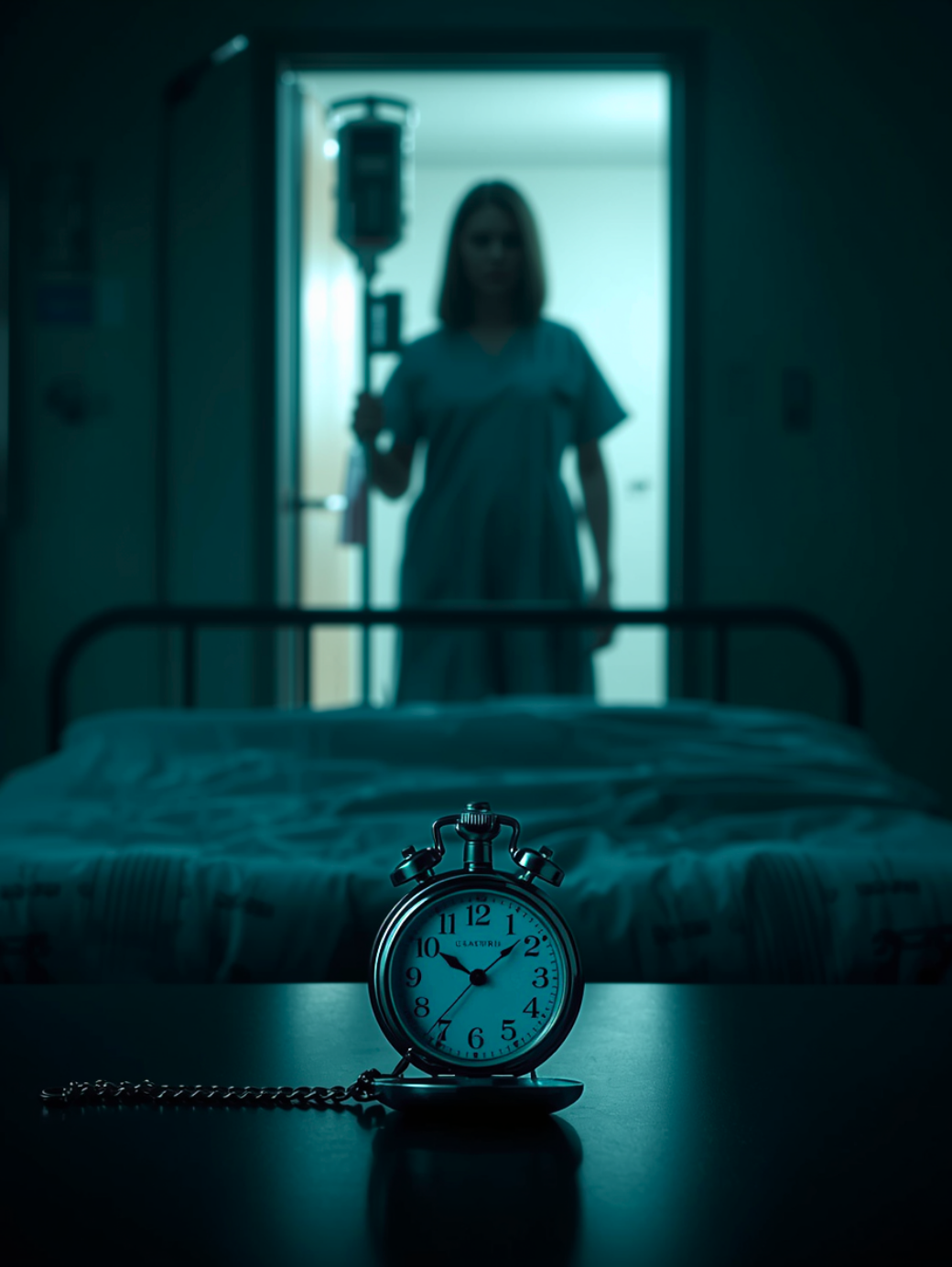
In my experience in the hospital, I was told at a very young age that many parents abandoned their ill children. More than once, when wandering the halls grasping my metal, wheeled IV-pole, did I see children in their rooms who were utterly and completely alone. So, personally, I did not experience this neglect in a hospital setting, in terms of my own safety being compromised, at least to the best of my recollection from three decades ago, but I did witness others being subject to this kind of abuse even back in the early 1990s.
However, physical neglect and abandonment are not the only types of abuse common in the congenital heart disease community.
The article, Prevalence of Child Maltreatment in Adults With Congenital Heart Disease and Its Relationship With Psychological Well-Being, Health Behavior, and Current Cardiac Function, published in 2021 by Proskynitopoulos et al., takes a broader approach to the topic in regard to the general German population. The results of this study concluded that, “ACHD reported significantly higher rates of emotional neglect and emotional abuse and sexual abuse and lower rates of physical neglect when compared to the general German population” (Proskynitopoulos et al., 2021). This study takes a broader scope of the more intersectional emotional and psychological impact of this abuse, as it points out how “child maltreatment is more common in ACHD and associated with decreased quality of life and depression and anxiety” (Proskynitopoulos et al., 2021). However, even if the child reports this abuse themselves, this does not mean the end of it. Not by a long shot. For “we found evidence that self-reported child maltreatment is associated with decreased cardiac function. Given the longer survival time of patients with ACHD, identifying factors that may negatively influence the disease course is essential. The negative consequences of child maltreatment may be the subject of psychosocial interventions that have demonstrated efficacy in treating posttraumatic stress disorders” (Proskynitopoulos et al., 2021). Considering this, as it is important to identify the factors that negatively influence the patients, it is essential to consider those caretakers who are responsible for the abuse, be it neglect or otherwise, as necessary for diagnosing the broader dynamic as well.
I want it made clear that in no way do I intend to vilify or redeem all family members of those with CHD or CVD. Some parents, like all people, handle the stress of the situation better than others. That’s a fact. However, the impact of the level of stress of having a child with a lifelong illness like CVD is documented to the point where the notion of the fatigue the family/parents of the individual faces is recognized as “caregiver stress.” Personally, I believe that it is far more common for people to do harm while thinking they are doing right, however misguided. That I believe is the reason the caregiver stress should be recognized as a heavy hand in inciting the abuse. This is especially so since the more serious the illness, the greater the financial and emotional burden, and therefore, the greater the neglect or likelihood of it.
The article, Parents of Children with Congenital Heart Disease (CHD): A Narrative Study of the Social and Clinical Impact of CHD Diagnosis on Their Role and Health by Moro, Iudici and Turchi states how, “Congenital heart diseases (CHDs) lead to psychological and social repercussions for parents of affected children: the diagnosis, screenings, surgeries, and hospitalization, as well as ongoing difficulties bring with them stress, anxiety, fear, stigmatization, and isolation,” (Moro, Iudici and Turchi, 2025). The article’s “research highlighted how parents’ narratives about their role and the impact of the psychosocial repercussions of their child’s condition on their life are shaped in a pervasive and totalizing manner. Parents do not consider nor anticipate different alternatives to the role they assume, independently of which this is among the four we identified. In addition, they depict the psychological and clinical repercussions (or the absence of them) as inevitable facts, firmly established in their life since the discovery of the child’s heart condition. These data and observations, coming directly from parents’ narratives, can be leveraged by health professionals in favor of both parents and children with CHD. Indeed, knowing which discursive modalities parents employ to describe their role, experiences, and issues is the first step to initiate an intervention aimed to change them—especially if they belong only to the Stabilization typology—or reinforce them—if Generative. In turn, this would allow one to increase the effectiveness of the support they could provide toward the other parent, the child, and the whole family,” (Moro, Iudici and Turchi, 2025), and, in this way, support the child’s health while mitigating the neglect and abuse they face at the hands of the caregivers who experience “caregiver fatigue.”
From my own experience as someone who grew up with complex congenital heart disease (CCHD), who is now an adult, while I understand and sympathize with caregiver fatigue, there is also the problem of “patient fatigue.” In this situation, the patient is not only weary of the endless doctor appointments, tests, and medication changes needed to maintain themselves, but there is often a point at which the caregiver becomes so accustomed to being needed as the caregiver that it becomes an essential part of their identity, which requires the patient to remain ill in order to maintain. Due to the need to be the “burdened caregiver,” they potentially abuse the “patient” to prove the weakness of the patient to the patient and to establish the patient’s eternal role as the perpetual “burden.”
Therefore, the “patient,” whether they be a child or grown into an adult, is assumed to be perpetually and incurably disabled by their condition, or even emotionally, physically, or financially forced to continue their role as a “patient” in order to not only maintain the “caregiver’s fatigue” which has been normalized, but also to maintain their need to be needed and the social capital the caregiver’s role provides.
This is one of the forms of abuse I have experienced in my life. While it is insidious and contemptible, it is simultaneously understandable from an analytical perspective. In my opinion, this is because the caregiver identity (accompanied by the caregiver fatigue), however damaging, often develops gradually and unconsciously under the weight of genuine stress and grief.
The issue with CVD, specifically, is that, especially if you have the congenital form of it, it is lifelong and incurable, and therefore, only manageable. That is why it is unlike other illnesses, like cancer, in this way, because one can survive and be given the title of a “survivor.” However, with CVD, if you survive surgeries and procedures, one also gets the rank of “survivor,” but with the extended title of “survivor ‘for now’” and the credit is shared with the family/ caregivers and doctors who made that possible. So the individual is a survivor, but also cast into a continuous group project where everyone gets credit, not just the individual.
This is where the “caregiver identity” forms for many caregivers, where the abuse is not necessarily even recognized as abuse. The issue is that the race is to “save the sick child” when sometimes they lose the fact that the child has already grown up, and yes, still needs to have doctor appointments, medicine, procedures, and surgeries to manage their illness, but they are more than a patient. They are a person. However, unfortunately, this line is often blurred in families, especially when it comes to people with congenital heart disease, where the line between their illness and their personhood ends is a factor that, I believe, needs more discussion.
This is because the term “caregiver” does not necessarily mean one’s parents. Yes, it is the parents who generally bear the weight of the most caregiver fatigue due to the weight of responsibilities of parenthood on top of the illness their child experiences. However, in my experience, with critical congenital heart disease (CCHD), this means that anyone I meet who I tell I have this condition automatically assumes they need to take on the “caregiver” role, even when it is entirely unnecessary. Thus, the person with CVD, especially the congenital version, becomes the perpetual patient in everyone’s eyes, even when they are as healthy as they can be despite the odds.
Personally, I have experienced this dynamic on multiple occasions because oftentimes, when people find out about my CVD, the social interaction suddenly shifts from conversation to pre-mourning.
To illustrate, I will share two instances from this past year alone. One such example is when I visited my estranged aunt. We had a delightful time at first, but when I explained my work with “theevertickingheart,” her behavior shifted from enjoying my company to treating me like a ticking time bomb. Like I was an accident waiting to happen, and I had caused her to be put in a horrible position.
She even came up to me one morning while I was drinking my tea and reading a book, I believe it was “The Prince,” by Machiavelli, which was one of both of our favorites, a connection with her I did not know existed prior to my visit. But she stormed in demanding to know what she would do if I had a heart attack at her house… My last doctor’s appointment said my heart was the healthiest it had ever been. And yet, even sitting in the silence of her living room and enjoying what had been a lively conversation the day before, she was concerned that I might drop before her very eyes. I asked what had brought this on, and she said my father had told her she was responsible for me.
And there’s the rub. A visit to my aunt’s house was not a visit at all, but an assumed change of responsibility for my “care.” A changing of the “caregiver guard,” as it were… when I had been traveling the world by myself for pretty much ten years by this point. So, it was not a visit by two equal people, but a patient being transferred from one long-term caretaker to a temporary one who had not signed up for the responsibility… of a patient who did not know about the transaction, nor the necessity of it in the first place.
This is just one example.
Another is from a recent experience with my best friend of thirty years, who told me a few months ago that she “never considered us equals.” And how she tried so hard to give me the “illusion” of friendship. This discussion came about after her avoiding my messages for six weeks at a time because my attempts to check in every month, saying “Hi, you ok?” and “How are you?” were apparently too emotionally burdensome to warrant a response in a timely manner. So, she decided to ignore me while I was suffocating from sewer gas intoxication and genuinely needed help. Yet, when she finally answered me, she decreed that I had to respond with gratitude for her taking the time to answer, and to do so within 6 hours (despite the international time difference), or else I would be “disrespectful.”
Now, having a friend set limits like this in a manner akin to a parent handling a petulant three-year-old who refuses to put their toys away, especially after thirty years, is an eerie yet hilarious experience for anybody. So, when I called her on the absurdity of this imbalance, decades of contempt and resentment poured out, because there was a hierarchy to which I had not been made aware, in which she had established herself as the martyred caretaker and me as the patient… something I had never seen so clearly before.
Now, I do not intend to vilify anyone. Having a friend who is sick with a congenital disease is challenging. That’s for certain. However, my point is that friendships that seem equal can evolve in the same way as parent-child relationships if the caregiver/patient dynamic, even if it is assumed, has sunk its claws in. And in this way, it can become just as abusive and hierarchical as the ones noted in the previously mentioned articles.
Fundamentally, this dynamic can take root even in friendships that have lasted decades because it is possible for people to take on the caregiver role entirely unnecessarily under the assumption of weakness of the illness of the person with congenital heart disease.
Dark as it seems, I believe this dynamic is born from the assumed fast-approaching end date for someone with this particular illness. If the ill person outlives their assumed end date, the caregiver's emotional investment stops yielding social returns. Therefore, what began as compassion can curdle into resentment, and that resentment can become deliberate neglect because the person is no longer seen as a worthwhile investment, but instead only as a 'burden.’
This, in my experience and observation, is especially true if the individual who is ill was raised in a household already so saturated with caregiver fatigue that they are blind to the development elsewhere, because it is so normalized. This leads to other relationships, be they work-based, friendship-based, romantic-based, or otherwise, to unintentionally fall under the same caregiver/patient umbrella, especially if the individual in the dynamic grew up isolated with CHD in an effort for the “caregiver” to keep them “safe.”
Furthermore, it is my observation that a person with CVD or CHD is expected to prove their health until they are no longer able to do so. I’m not talking about the routine tests performed by doctors, but rather to family and/or friends in order to be deemed worthy of being a part of such a group. But the downside is that, because of the incurable condition of CVD and CHD, the individual can never truly succeed in doing so.
That’s why I’ve recently tried to stop proving my health and start living my life, instead. I have limited energy and would rather not spend it proving that I deserve my existence to self-designated caregivers or to anyone else. While I respect my care team of doctors and specialists and take their opinion to heart, I refuse to be treated poorly by anyone else, especially for the sake of their own ego.
Abuse of all kinds is stunningly common for people with congenital heart disease and increasingly so, judging by the critical nature of their condition. This severity comes with a presumed weakness, and that “weakness” creates the assumed need for a caregiver and the assumed time limit for their efforts. However, the entirety of the situation facing people with congenital heart conditions means they can never truly be free of their condition. So, in the eyes of many, that makes them an eternal “patient” and them taking on the role of the ever-suffering, ever-sacrificing “caregiver.” This unnecessarily casts the person with CHD as an eternal burden and the caregiver as the eternal martyr in many kinds of relationships, which causes resentment and contempt to fester under the surface, leading to more caregiver fatigue and abuse. I believe that we need to understand that people who are born with congenital heart disease, no matter how severe, are people first and their illness second. Just because their illness is incurable doesn’t mean that abuse caused by caregiver fatigue is inevitable. Even if they can never escape their illness, that in no way means that it is who they are or choose to be. They may always need care, but they also will always and forever be people who need care, not a walking, talking illness that needs to be managed and controlled. Nobody ever needs abuse, no matter how stressed or justified the “caregiver” feels.
What do you think? Did you find this helpful? Can you relate?
Comment below.
Tune in next Monday and Friday for more! I will be writing more now that I’m finally feeling better, so I’m getting a new, more frequent schedule.
Keep ticking, everybody!
P.S. Are there any aspects of CVD health or pacemakers you’d like to know more about?
Feel free to email me at:
Reference List:
Moro, C., Iudici, A. and Turchi, G.P. (2025). Parents of Children with Congenital Heart Disease (CHD): A Narrative Study of the Social and Clinical Impact of CHD Diagnosis on Their Role and Health. Behavioral Sciences, 15(3), pp.269–269. doi:https://doi.org/10.3390/bs15030269.
Proskynitopoulos, P.J., Heitland, I., Glahn, A., Bauersachs, J., Westhoff-Bleck, M. and Kahl, K.G. (2021). Prevalence of Child Maltreatment in Adults With Congenital Heart Disease and Its Relationship With Psychological Well-Being, Health Behavior, and Current Cardiac Function. Frontiers in Psychiatry, 12. doi:https://doi.org/10.3389/fpsyt.2021.686169.
Westphaln, K.K., Imagawa, K.K., Smith, L.E., Srivastava, J. and Pike, N.A. (2023). Risk Factors for Abuse in Children with Congenital Heart Disease Presenting at a Pediatric Tertiary Care Hospital. Congenital Heart Disease, 18(6), pp.657–670. doi:https://doi.org/10.32604/chd.2023.044179.
#cvd #chd #abuse #caregiver #caregiverabuse #heartdisease #chronicillness #medicaldanger #medicaldevice #achd #congenital #heartsurgery #cardiology #experience #safety #caregiverfatigue #medicalabuse #psychologicalabuse #pacemaker