
Hope And CVD: The Reason To Keep Fighting
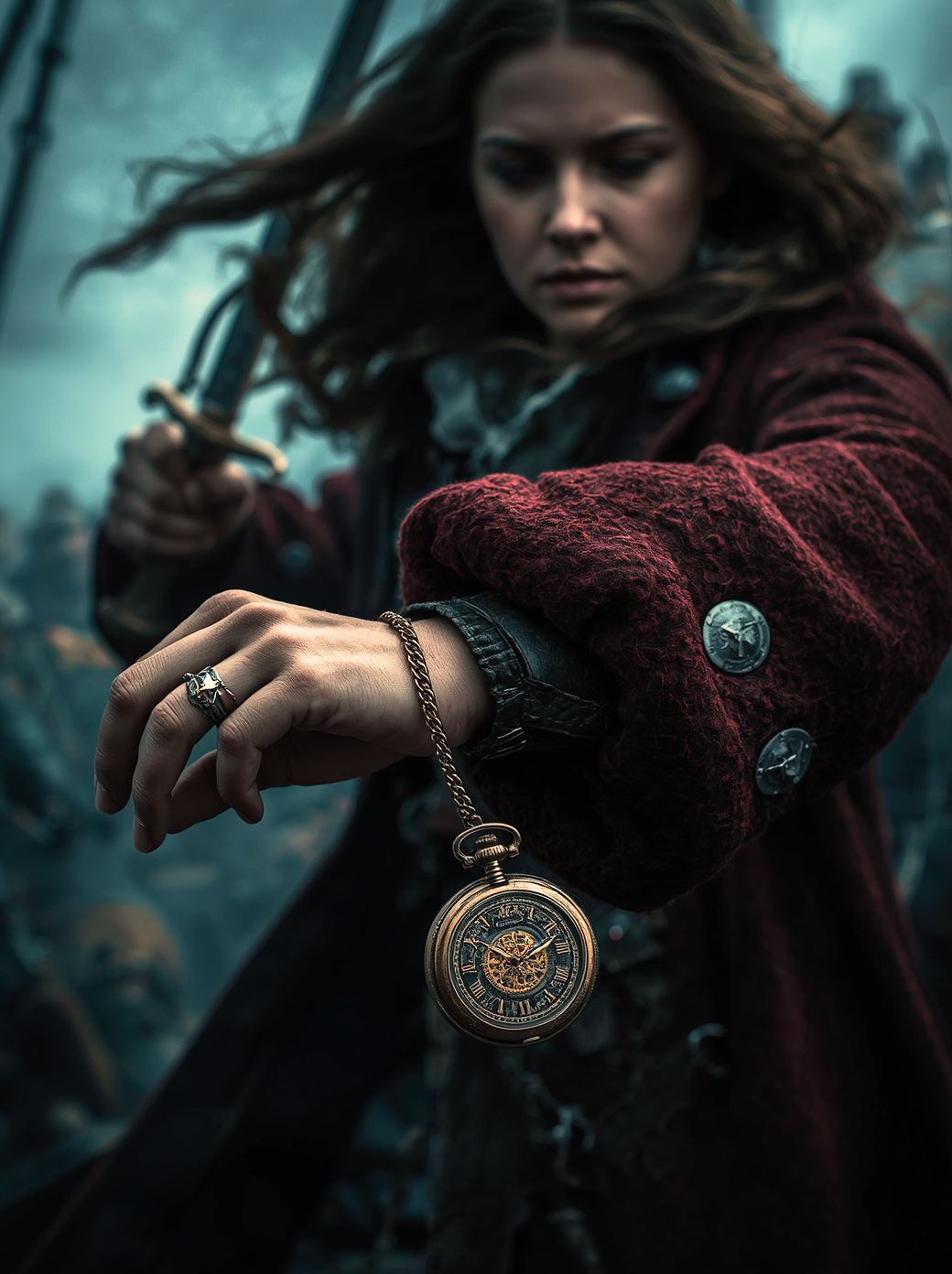
To many, a diagnosis of cardiovascular disease is the bell that signals the beginning of the end. It inspires futures of medical and dietary prescriptions, forced exercise, endless pills, surgeries, even assistive medical devices and a distinct end to one’s free life as they knew it. It is often assumed that one’s life is now inevitably and completely under the control of others all because of the malfunciton of the most essential organ in maintaining one's own existence. Oftentimes, this is difficult for people to believe, and it takes some time to come to terms with. Hell, I’ve been at it for thirty-five years, and my doctors still tell me to tone it down and try to remind me of my “limitations”… a heinous word if ever there was one. And that is exactly my point. Having CVD does not mean one’s life is over. It means there are some changes that need to be made in order to maintain one’s existence, but it in no way means one should stop fighting. One’s ill heart is not one’s enemy, it is an ally that now needs a little more help than before.
Now, I say this from experience considering that this year was one of the hardest I have ever had, and more often than once, I considered whether it was even worth fighting for my future. This is because it is difficult to fight one’s critical congenital CVD with people around you withholding your medicine in order to aggravate one’s symptoms and allow them to control my life. I will not go into too many details about that particular event here, but someday I will. Now that I have physically recovered from that sabotage through both an essential cardioversion and an ablation, looking back I am stunned at how deeply it made me question my self-worth and give in to my heart condition more than I ever had before.
From that perspective, what is life worth if your health is tied to a single medicine? If someone is so frail, what is the point of survival anyway?
Well, I’ll tell you. I say all that in past tense for a reason.
Granted, I am not a believer in survival for survival’s sake. More than once, these past few months, people have told me that I’m lucky to be alive and that it is not worth it to risk my health for a life that is dangerous. I respectfully disagree. In my opinion, based on my experience, it's not worth it to live one’s life only to try to live the next day. I’ve been there and done that for most of my life, and frankly, I find it to be a complete and utter waste of time. The “next times” and “when you’re betters” and “not today, but soon” have piled up so high that I caught myself saying them to myself recently as if I was repeating everyone else’s excuses back at myself. These same false promises and fake dreams — which people use to blame my health for their own inadequacies and to frighten me into adhering to their insecurities — are frankly baffling.
… and I, personally am more than done with it.
Oftentimes, I find that people with chronic illness or CVD believe that surviving is the goal. However, there are two reasons why this is functionally impossible. The first is that, I hate to say it, but no one actually survives CVD. They manage CVD. It is not curable, but the symptoms are often manageable with proper medical treatment. Heck, the only reason I am still around is largely due to my pacemaker and my mechanical heart valves.
The second is that there is no other choice. If there is no way out then what respite do we have but to continue despite the odds? Yes, it’s tiring, yes, it’s difficult, but nothing great was ever forged in comfort. When one is cornered in a burning room and there is only one ominous door with nothing beyond it, one should do their best to beat back the flames and maintain their present situation to the best of their ability no matter the cost. This is through survival techniques and one common survival technique is clinging to a purpose or potential future and calling it “hope.”
While the attempt to spread hope is ideal, it can also be dangerous. When I was a kid, I was told I could beat CVD. Hell, I was charged with it like it was some holy mission. And whether I could was determined by how much I worked for it, how well I followed the doctor's instructions, and how ‘normal’ I could seem. If all of these criteria were met, then I could be cured. However, I was never cured and just needed more medicine and more surgeries and when anything went wrong it was my fault… so logically, the illness and the fact it was not cured was due to some sin that I had committed, some mark I had failed to meet… which meant that the incurability of the illness was transferred to me, who at the time was just a small child who was told I could grow up basically, “if you are a good girl.” But all I wanted was to survive and be like everyone else in my family and friends who did not have to take pillboxes full of disgusting medicines and have surgery after painful surgery just to keep breathing… a goal I so desperately wanted that I never questioned the oddity of it all.
However, looking back on it now, this was honestly just a way for those around me to transfer their own guilt from themselves onto an easy target that, arguably, was not long for this world anyway. It is understandable in its own horrible way.
I used to imagine that someday I could go on a trip and actually go on a trip for vacation without the shadow of my health following me. Perhaps that someday I could enter a family gathering without them all acting like I could keel over at any second, when all I ever want is just to be treated like a human being, not a group project. Or even that I could one day walk down the street and be treated like a person rather than watch people notice my short arm or my chest scars first. But even though I hope, I know that all of these are largely impossibilities that will never happen in this lifetime.
As I grow older and the more wear and tear my body undergoes, one procedure and poke and surgery after another… I am acutely aware that a cure is not possible. Nor will there ever be a moment when I will not have to worry about tablets or heartbeats or doctors, nor will I be able to live carefree like my healthy members of my family. For example, they all just went on a trip together to Europe while I stayed in the USA to hold down the fort. None of them had to bat an eye about anything more medically necessary than vitamins. It would be nice, but it is not in the cards for this lifetime.
But that still does not mean that the situation is hopeless. It can never be that way, nor was it ever meant to be. For example, growing up with critical congenital heart disease (CHD) was a terribly lonely experience for me. From kindergarten through the beginning of middle school, I actually had to wear an orange fluorescent crossing guard vest, which was meant to signal to all the other children to stay away from me, which they did but it also led to rumors being spread about why they had to do so, and one only knows the cruelly imaginative minds of children. For many, this type of requirement would be considered cruel and unusual punishment, but in my case, because of my warfarin and blood thinners, the adults around me thought it was the only thing they could do to keep me “safe.” I was not allowed on the playground or to play sports, so I just wandered around and occasionally swung on the swings for a few years.
But I stuck with it because I knew one day, it would be “worth it.”
My point in bringing this up is that this perpetual loneliness inspired me to go to the library instead of going outside. This led to me learning as much as possible about the world and sparked my desire to see and experience as much of it as humanly possible despite the “needs of my health.”
Thus, even then, I knew that living to survive was not worth it. Being isolated and stuck in a library was the price I knew I had to pay to survive to have a life later on.
I've noticed this especially lately. When I was recovering in the hospital, my doctors told me I needed to take care of my health first and have a life second. They missed the point entirely. The reason I live through this pain is far more essential than the medication and procedures themselves.
However, this need for a purpose is not only my experience but is largely found in both the broader chronic illness community and is common for those experiencing CVD. The concept is summed up as “hope” and is well documented in connection to chronic illness studies. The article, Hope, Older Adults, And Chronic Illness: A Metasynthesis Of Qualitative Research by Duggleby et al. in 2012, specifically “this metasynthesis identifies hope as a multidimensional psychosocial resource for older adults with chronic illness,” highlighting the multidynamic nature of hope when facing chronic illness in general. It also discusses how the concept of “hope's dynamic nature includes situational changes influenced by illness, loss, and suffering,” therefore, it is rarely static in situations of older adults and chronic illness.
CVD falls under the chronic illness umbrella, so not only is this concept studied in terms of broader chronic illness, but studies have also narrowed it down to looking into how cardiac patients react to the need for hope and purpose in their lives in order to survive. One such article, Hope In Action—Facing Cardiac Death: A Qualitative Study Of Patients With Life-Threatening Disease, is more centered on the intersection between hope and CVD and how people deal with the diagnosis.
“Our study adds to previous knowledge by presenting empirically based descriptions of how patients perform a dynamic work of hoping when facing mortality within the curative paradigm of cardiology. It demonstrates how these patients cope with existential challenges by applying hope to fight existential distress, and shows how physicians are in a special position of supporting or disrupting the work of hope among their patients. This can serve as a basis for developing supporting strategies among physicians and other health care professionals. Our study also provides more knowledge about how patients with life-threatening disease perceive their situation and offers guidance to how existential distress can be approached. It deepens our understanding of similarities and differences of experiencing severe heart disease compared to other serious illnesses,” (Aase Schaufel, Nordrehaug and Malterud, 2011). The article concludes that, “Hope can be regarded as an active, dynamic state of existential coping among patients with life-threatening disease. Physicians may support this coping and thereby provide personal growth and alleviation of existential distress by skillfully identifying, acknowledging, and participating in the work of hoping performed by the patient. This implies attentive listening and adequate information, as well as helping the patient focus on personal resources, supporting relationships, and meaningful activities” (Aase Schaufel, Nordrehaug and Malterud, 2011). This response to the need for hope, I find to be particularly well-meaning and helpful. However, in my experience, this can potentially be taken too far.
I did have one issue with this article’s findings. It states, “patients’ wish and need to live a normal life and ‘‘false optimism’ about recovery has previously been presented in cancer research. […] These patients may be viewed by some health care professionals to be in a state of denial, even though they are actually coping with their life-threatening illness. […] Coping strategies among cardiac patients have been described as avoidance, disavowal, denial, and acceptance” (Aase Schaufel, Nordrehaug and Malterud, 2011). Now, personally, I find this a little bit offensive. I know it is not intended to be and in many ways it is helpful. However, in my experience, this has been more of a spectrum than a direct route, especially with each diagnosis and surgery coming along one after another over the years. For example, when hearing about a new surgery, I tend to go either completely numb and directly into acceptance just to get it over with, but with others, I know I am in some form of denial… but at the same time, the denial was what helped me survive this past year.
Let me elaborate on that. This last year has been hellish on many levels. I discovered my apartment had sewer gas for four years, which led to my CVD symptoms worsening and likely led to the arrhythmia, which led to my broken pacemaker and atrial fibrillation (AFib) in 2022, water around my heart in 2023, and the AFib this last year. Regardless, I figured it out on my own while my friends and family basically were telling me that it was all connected to my worsening condition and blamed my worsening health only on my own heart without even investigating any alternative option and often laughing in my face when I brought it up on multiple occasions… all because it is easier to see a sick person dying and chalk it up to “inevitability” than actually raising a finger to help them like one would with any “healthy individual” blood related or otherwise in the same situation.
While my friends and family largely left me to my fate based on the inevitability of the situation they presumed, I continued to fight in what they called denial. However, by doing so and not accepting their beliefs about my condition, I largely saved myself and was able to figure out what caused my illness this whole time and how it was not my compromised heart, but my environment that already worsened the symptoms of my illness.
Granted, in these aforementioned articles, chronic illness and CVD are largely assumed to only impact the elderly; however, I and anyone who has experienced congenital heart problems can attest that this is not always the case. So, in this circumstance, the concept of “why” and the purpose that comes with hope can be a little bit different, at least in my experience. Now that I am rapidly recovering, I am actively working on writing my books and articles, along with planning my return trip to Germany. The same dreams that once held me back are now propelling me forward.
When I was a child, it was generic and “to see the world,” “to go to Egypt,” to “prove them wrong.” But now that I am older, it is to get my books published, be able to live and work in Germany, and live in a place that lets me breathe clean air at a lower altitude. However, even then, the goal shifts.
For example, when I have my arm outstretched to allow for the thousandth needle to pierce my skin, I remember why I allow myself to experience pain and why I have always done this. In order to keep writing.
Granted, there are complications I am still overcoming, not directly from my surgeries but from people’s reactions to them. For example, growing up, I was told that my remarkably healthy sibling could go and do things I could not simply because he was healthy, and “when I’m better,” then I could do it too. This included sleepovers, skiing, going to the park with friends, and so on. This continued to middle school, and even into adulthood, when I discovered my love of writing, I was told I needed a career and to be wanted before I ever wrote anything, because no one would care what I had to say.
Thus, writing and travel replaced “be healthy” as my “unattainable goal.” But this last year, I discovered that it is those who would try to keep me “sick and small” and sabotage me and my career for their comfort who were more of a problem than my CVD ever could be.
Now, when I worked in China, I met a woman who also had critical congenital heart disease from the USA. We became friends and helped each other out medically on multiple occasions when each of us had cardiovascular scares. However, when we were sitting in the doctor’s office one time, I asked her why she did this. What prompted her to travel the world despite the danger? And her response resonated with my very soul. “Because I can.”
I have never agreed with anyone more in my life. She and I travel because we can, in the face of all those who said we were too weak to do so. Granted, we both knew that there was no way to win against CVD, but there is a way to win at life despite it: never letting it break your spirit or your goals. For her, the goal at the time, which was about ten years ago, was to continue despite the odds. Mine was to continue despite the odds so that I could write.
However, as was described in the articles, the reason for living, the hope, the goal, and the purpose are different for everyone. For many, perhaps it is to continue playing sports or to spend time with their loved ones? Maybe it is simply to see how the next season of House of the Dragon plays out? Maybe it’s to read the next book by their favorite author? Sometimes it's just simply to see the next sunset… the goal does not need to be large, nor does it need to be stagnant, nor does it need to be only one. In my mental closet, I have many goals. I remember when I am ill, depending on the severity of the situation, that helps me push through, but none of them, I repeat, none of them is only “to survive.” This is because in my opinion, survival is not nearly as important as our reason for staying and the hope that brings light to even a wounded heart.
Yet, despite it all, including the open heart surgeries, pacemaker, mechanical heart valves, and countless others, as well as the cardioversion seven weeks ago and the ablation almost 2 weeks ago, I have persevered not just to survive, but to live and continue to do so. It could be said that I never had a choice, and neither did anyone with congenital heart disease, and largely, they are right. However, it does not matter how you got CVD, how long you’ve had it, or what level of pain it has caused you… There is always a choice to hope and find something to believe in. And that, I believe, is the point of CVD. It holds a mirror up to your own mortality and asks you directly, “What will you do now?” So, I ask you, readers, if you have a chronic illness and CVD, what will you do with it? and most importantly… why?
What do you think? Did you find this helpful? Can you relate?
Do you have CVD or a chronic illness? What do you fight for?
Comment below.
Tune in next Monday and Friday for more! I will be writing more now that I’m finally feeling better, so I’m getting a new, more frequent schedule.
Keep ticking, everybody!
P.S. Are there any aspects of CVD health or pacemakers you’d like to know more about?
Feel free to email me at:
Reference List:
Aase Schaufel, M., Nordrehaug, J.E. and Malterud, K. (2011). Hope In Action—Facing Cardiac Death: A Qualitative Study Of Patients With Life-Threatening Disease. International Journal of Qualitative Studies on Health and Well-being, 6(1), p.5917. doi:https://doi.org/10.3402/qhw.v6i1.5917.
Duggleby, W., Hicks, D., Nekolaichuk, C., Holtslander, L., Williams, A., Chambers, T. and Eby, J. (2012). Hope, Older Adults, And Chronic Illness: A Metasynthesis Of Qualitative Research. Journal of Advanced Nursing, [online] 68(6), pp.1211–1223. doi:https://doi.org/10.1111/j.1365-2648.2011.05919.x.
#cvd #chd #hope #afib #summer #ablation #procedure #cardiac #cardioversion #isolation #chronicillness #medicaldanger #medicaldevice #achd #congenital #heartsurgery #cardiology #experience #pacemaker