
Coffee and CVD: A Delicate Dilemma
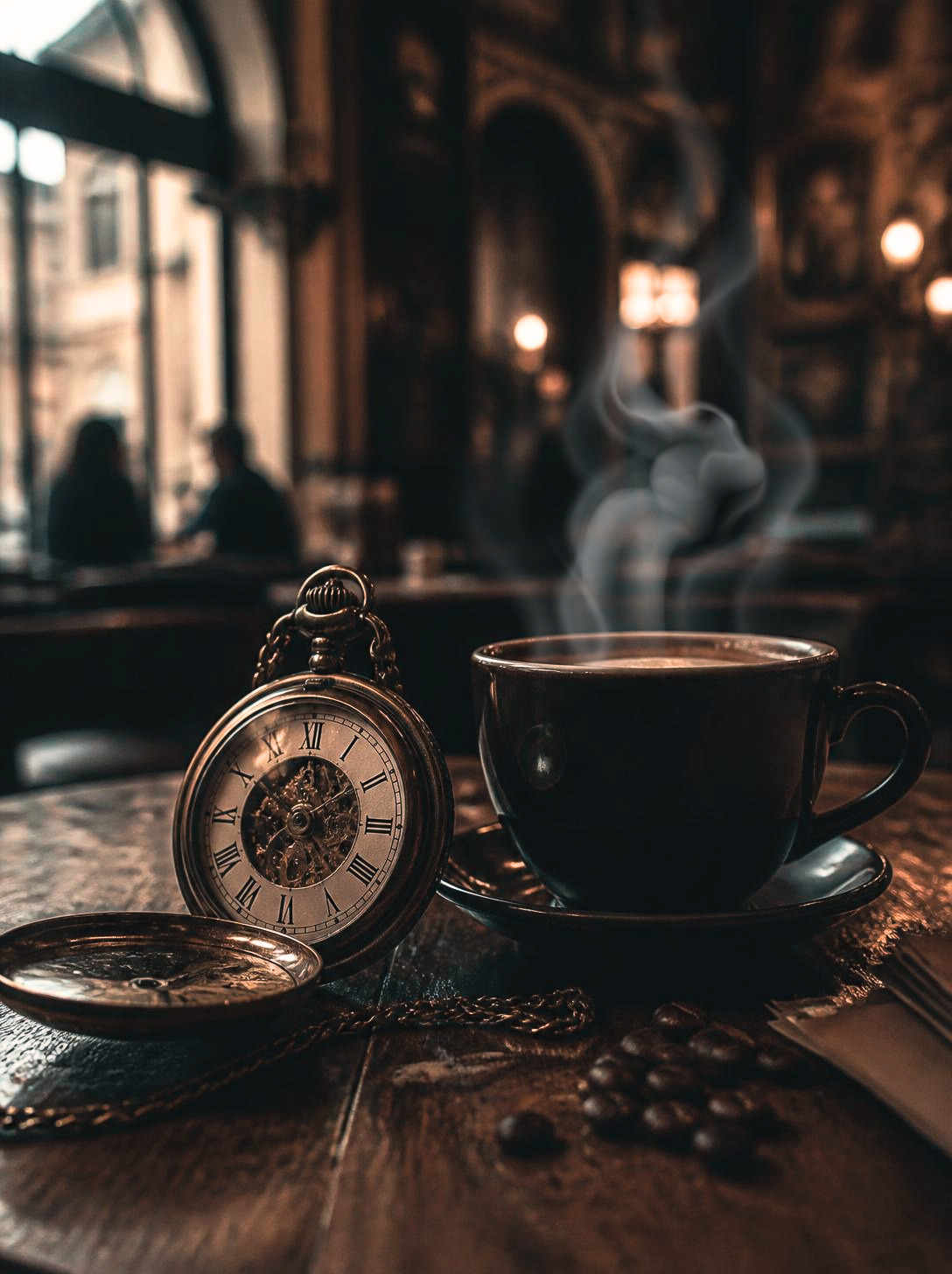
The delights of a cup of coffee are shared around the world, as it is one of the most commonly consumed beverages on a global scale. It is the time of year for school to begin. This means that early mornings and freshly brewed coffee are going to become more common than before because this particular beverage can easily be called a parent’s, teacher's, and college student’s best friend. For this reason, I believe it is important to discuss this matter in the context of cardiovascular disease (CVD) because it is vital to know whether and how such a common and important drink as coffee impacts one's cardiovascular system, especially if you have heart-related concerns. Personally, I also absolutely love coffee, although I have experienced some unfortunately-timed arrhythmias which start almost immediately after consuming it. As a result, I was compelled to research the topic and was surprised by what I found about how coffee interacts with CVD. So, if you have a heart condition, should you drink coffee? And how can you discuss this further with your doctor?
As someone who has a particular love for "iced white chocolate mocha" coffees at my local cafe, I am no stranger to this trend. Every weekend, even twice a week, if I'm in a good mood, I pack my bag and trek across town to write at that delightful coffee shop to sip the sweet, blessed sugary drink.
However, a few years ago I noticed that when I drank it, I immediately became extremely tired for seemingly no reason. One time, I was in the middle of a lively conversation with a colleague and fell asleep after having half a cup of my favorite drink. Another time, I was in the library with my friends and all of a sudden I fainted and barely managed to pull myself upright before hobbling home. Only 4 months later did I realize that it was that moment, after having a sip of the cheap, extremely strong espresso one finds only in university facilities, that my pacemaker coincidentally broke at the same time. This sparked 4 months of non-stop AFib before anyone realized what was happening. So when I say coffee can be dangerous or cause arrhythmias or worse, I know what I am talking about.
Now, if you know anything about caffeinated coffee, you know it is intended to get your heartbeat up and give you more energy. In fact, according to Pineda and Hilario’s article, The Relationship Between The Coffee Intake and The Work Performance of Coffee-Drinking Teachers: A Correlational Study, this is because "the caffeine content of coffee is said to be a stimulant that could make drinkers more alert and awake" (Pineda and Hilario, 2023). This connection between coffee, arrhythmias, and CVD piqued my curiosity and sparked my research into the topic.
If you need a particular pick-me-up in the morning, an afternoon jolt of coffee, or simply enjoy a Kaffee und Kuchen (a meeting tradition in Germany involving the simultaneous consumption of coffee and cake) on Sunday with friends and family, you are not alone. The same study points out that it is so common that "people consume approximately a million bags of coffee in a day" (Pineda and Hilario, 2023). And the demographics of people who drink coffee vary widely. The article continues to note how,"depending on the drinker's age, amount of consumption, and the like, coffee is consumed for its various effects aside from its taste and aroma. Additionally, many people drink coffee because of different factors" (Pineda and Hilario, 2023). It is even to such a degree that, according to Statista, "revenue, at home (e.g., revenue generated in supermarkets and convenience stores) in the Coffee market amounts to US$108.06bn in 2026" (Statista, 2026). So, as we can see, this is clearly a popular drink that is globally consumed and is on a trajectory to continue, if not even increase, in the future.
This popularity is likely due in no small part to the ingredients that make up coffee, whether it be black coffee, espresso, or a caramel latte frappuccino. The article, The Impact Of Coffee On Health by Karen Nieber, notes that "coffee is a complex mixture of more than 800 volatile compounds whereas caffeine and chlorogenic acids are the most common compounds" (Nieber, 2017). Coffee's other well-documented effect is to stimulate and enhance one’s heartbeat, and thereby directly impact the cardiovascular system.
So, if that is a common expected effect, how does this beverage impact one’s general health? When this article was written in 2017, it observed how "during the last years, coffee has progressively moved to a less negative position on health due to its better-known pharmacology. Caffeine, e.g., in a cup of coffee, appears to exert most of its effects through an antagonism of the adenosine receptors" (Nieber, 2017). Therefore, it is seen as a "less negative" beverage to consume in terms of one's general health. Not necessarily beneficial, but certainly not collectively condemned in the medical field.
Yet, that specifically is in terms of one's broader general health. If one were to narrow the scope down to arrhythmias (or a too-rapid and irregular heartbeat), it is another story entirely. During my research, I found a whole vault of articles on this subject, indicating the active and ongoing discussion and controversy surrounding it. One in particular, Coffee and Cardiac Arrhythmias: Up-Date Review Of The Literature And Clinical Studies, by Stanisław Surma et al., states plainly that, "numerous studies have shown the beneficial effects of coffee on the cardiovascular system, nervous system, digestive system and kidneys. Due to the high incidence of cardiac arrhythmias, especially atrial fibrillation, the influence of coffee consumption on arrhythmogenesis remains a controversial and clinically important issue" (Surma et al., 2022). On the one hand, it explains why I had arrhythmias after drinking coffee. However, on the other hand, it appears that drinking coffee if you have a heart condition may be something of a double-edged sword.
Now, when I was younger, I regularly consumed coffee with no arrhythmias whatsoever. Yet, as my heart health continues to be more "touchy" as the years go by, I experience more arrhythmias, and it is often the consumption of caffeinated beverages like coffee that triggers them.
However, this does not negate the other potential health benefits that coffee provides. So, as the article concludes, "As so many beneficial effects of coffee drinking have been researched on, the cardiovascular perspective on coffee has improved over the years, and we are perhaps looking at coffee more as a friend than foe" (Surma et al., 2022). That being said, arrhythmias caused by caffeine and coffee are nothing to brush aside.
So, how do I handle this? Personally, because I often have difficulty sleeping due to my mechanical heart valves, I tend to be in a perpetual state of at least mild exhaustion. So, caffeine is something I genuinely enjoy and even need. However, it does impact my heart, which is a danger I cannot afford. Therefore, to manage the amount and mitigate the likelihood of experiencing an arrhythmia, I ask for a single shot instead of the usual two.
This way I get the jolt I need, the delightful flavor, and the health benefits of coffee. However, I still need to be careful because many coffee houses make their coffee with a machine, not by hand. Machine-made coffee often has a predetermined caffeine amount that cannot be customized. So, it might be best to make your own or go to hand-made coffee houses.
The results of both my research and experiences compel me to suggest 4 things in this regard on how to handle coffee drinking if you have a cardiovascular condition:
Talk with your doctor before you increase your coffee intake, or if you feel arrhythmias during or shortly after drinking it.
This can often feel like a sudden wave of exhaustion, weakness, dizziness, breathlessness, or confusion, and it varies in noticeability from person to person.
Regulate the consumption of coffee.
The beverage can still benefit your general health.
Regulate the consumption of caffeine.
Ask your barista to lower the dose of caffeine in your drink.
Enjoy decaf.
You can have the benefits of coffee without the caffeine.
So, if you have CVD, there is no need to necessarily fear drinking coffee. But be careful with a few factors, because arrhythmias are best avoided at all costs. For this reason, given the new early mornings that come this time of year along with the increased workload of the school year, if you have a heart condition, you can treat coffee as a friend more than a foe. However, it is always best to keep your cardiologist in the loop for your health. So, without further ado, brew your coffee, take a deep breath, and enjoy.
What do you think? Can you relate?
Comment below.
Tune in next Monday and Friday for more! I will be writing more now that I'm finally feeling better, so I'm getting a new, more frequent schedule.
Keep ticking, everybody!
P.S. Are there any aspects of CVD health or pacemakers you’d like to know more about?
Feel free to email me at:
Reference List:
Nieber, K. (2017). The Impact Of Coffee On Health. Planta Medica, [online] 83(16), pp.1256–1263. doi:10.1055/s-0043-115007.
Pineda, G.P. and Hilario, J.R.G. (2023). The Relationship Between The Coffee Intake and The Work Performance of Coffee-Drinking Teachers: A Correlational Study. International Journal of Advanced Research, [online] 11(10), pp.545–555. doi:10.21474/ijar01/17739.
Statista. (2026). Coffee - worldwide | statista market forecast. [online] Available at: https://www.statista.com/outlook/cmo/hot-drinks/coffee/worldwide/?srsltid=AfmBOooYBsEvZ3Q5mPBySwI0q6LdLHRT20TPS0l8wgxYc1Gxd6bPQ74V [Accessed 30 Aug. 2026].
Surma, S., Romańczyk, M., Filipiak, K.J. and Lip, G.Y.H. (2022). Coffee and Cardiac Arrhythmias: Up-Date Review Of The Literature And Clinical Studies. Cardiology Journal. doi:10.5603/cj.a2022.0068.
#cvd #chd #coffee #arrythmia #afib #travel #medicine #summer #autumn #school #hearthealthy #medicalprocedure #ablation #procedure #cardiac #cardioversion #chronicillness #medicaldanger #medicaldevice #achd #congenital #heartsurgery #cardiology #experience #pacemaker