
Avocado And CVD: A Healthy Gem
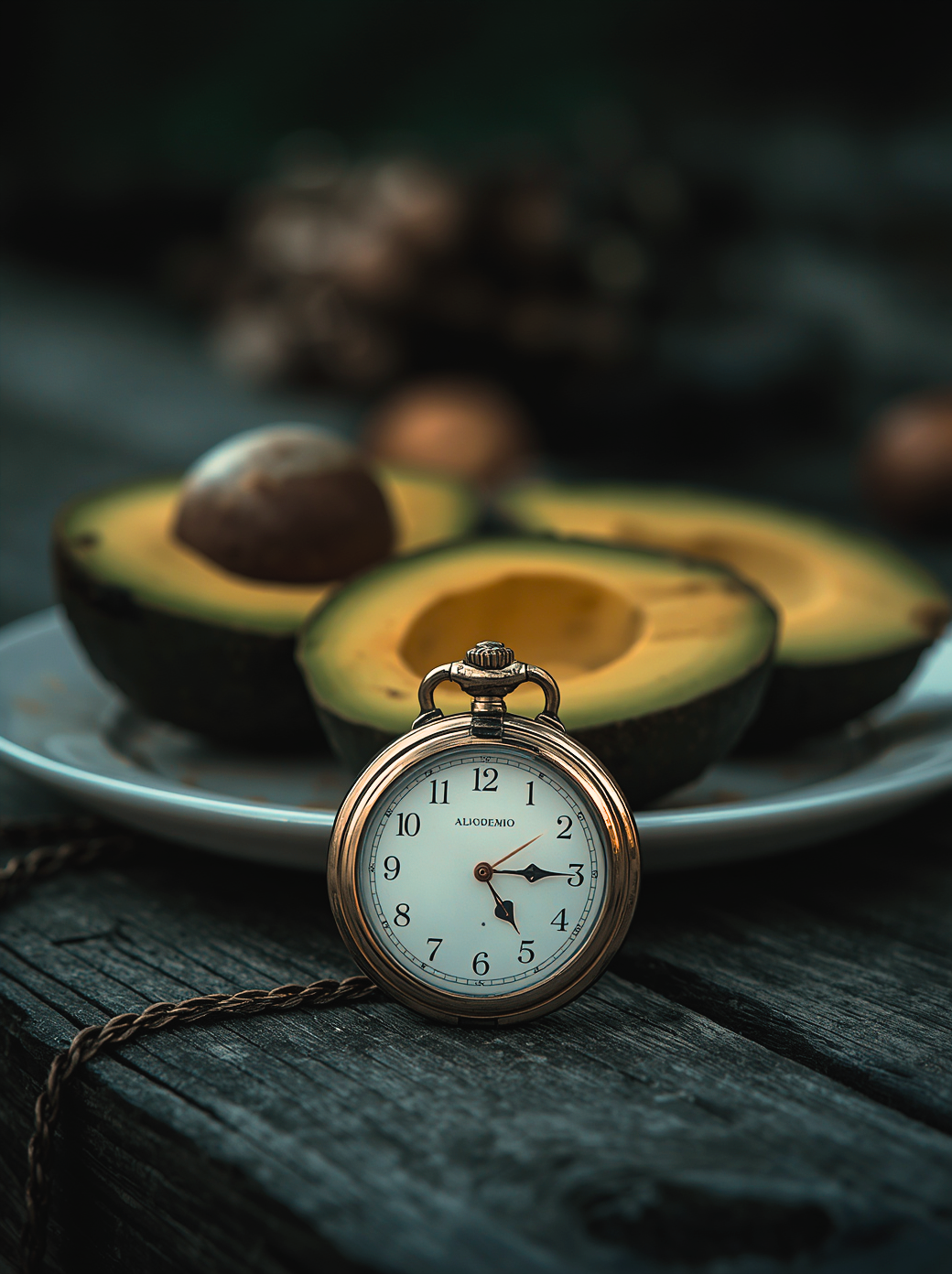
Have you ever had a craving that strikes out of nowhere? For me, it was avocado. Maybe it was the heat this summer, or maybe it was the stress of recovering from my ablation — either way, I found myself making avocado toast with a fervor I'd never had before. Now, I'll admit I'm a millennial, but I guess I arrived very late to the avocado toast craze, because it's only this week that I really discovered it. I was sitting outside on my porch, enjoying my scrumptious green breakfast, when it suddenly dawned on me… Is avocado even healthy for the heart?
If you have cardiovascular disease (CVD) or are worried about developing it, it's best not to take that question lightly. The article Avocado Consumption and Risk of Cardiovascular Disease in US Adults by Pacheco et al. describes just how serious the stakes are: "Cardiovascular disease (CVD), which includes coronary heart disease (CHD) and stroke, is the leading cause of death in the United States" (Pacheco et al., 2022). So it's imperative to do what you can to avoid or mitigate the symptoms and health issues associated with CVD if you're able. Luckily, one of the easiest ways to help prevent it is through exercise and a heart-healthy diet.
Now, hang with me here. Oftentimes, when people hear the dreaded words "heart-healthy diet," it conjures images of sitting in a dark room eating a tiny plate of unsalted plain chicken and unseasoned, bland vegetables… and that's it. But honestly, taking care of your heart through diet just means having less (not no) salt, and leaning on other natural flavors instead. It can be a lifestyle shift rather than a lifestyle car crash.
Although, honestly, when I was first told I needed to go on a low-sodium diet, it inspired some apprehension in me, too.
Luckily, this is where avocados come in to ease the transition, because "avocados are a nutrient-dense fruit, containing dietary fiber, potassium, magnesium, MUFA, and polyunsaturated fatty acids, as well as phytonutrients and bioactive compounds, which have been independently associated with cardiovascular health" (Pacheco et al., 2022). So these green, wrinkly, delicious culinary delights are welcome in any heart-healthy diet — including mine.
So, when I heard about his low-sodium diet, I was less than thrilled. While I was born with critical congenital heart disease rather than developing it later in life, I did grow up on a restrictive diet. Although it was not to manage my CVD at the time, it was instead for my migraines. Ironically, it was that restrictive diet that ended up causing them, almost daily, for 20 years. (That's a story for another day.) My point is: I understand what it's like to live with dietary restrictions. So when I was told two weeks ago that I needed to start a low-sodium, heart-healthy diet for two weeks, I was less than thrilled. It was to address the fluid that had gathered around my lungs as a complication from my recent ablation. Fixing it meant three things: diuretics, lots of water, and a very low-sodium diet.
For two weeks, I ate significantly less salt than usual while my body flushed out the excess fluid, which was meant to temporarily medically mummify me. It was not a pleasant experience. I was frequently foggy-headed, and even as I lost the water weight, I still felt confused and irritable the whole time. I would not recommend it.
So — bored, hungry, and cut off from all my favorite heartier meals — I started experimenting. That's how the garlic-seared sourdough and avocado sandwich was born.
I'd highly recommend the recipe I made:
Add olive oil to a pan and turn it on low heat.
Butter one side of the sourdough bread with garlic butter.
Sear the buttered side until golden brown (2–4 minutes).
While it cooks, cut ½ of an avocado into strips.
Turn off the heat and let the bread cool (1 minute).
Place the avocado on one side of the bread, add mayonnaise (ideally olive oil mayo), and fold over to make a sandwich.
Enjoy!
Perhaps this puts some minds at ease knowing that a heart-healthy diet may be restrictive — but that doesn't mean it has to feel oppressive. Rather, it's simply guiding you along a culinary path that's kinder to your cardiovascular system and your body as a whole, one that it will thank you for in the long run.
What do you think? Did you find this helpful? Can you relate?
Do you have CVD or a chronic illness?
Comment below.
Tune in next Monday and Friday for more! I will be writing more now that I’m finally feeling better, so I’m getting a new, more frequent schedule.
Keep ticking, everybody!
P.S. Are there any aspects of CVD health or pacemakers you’d like to know more about?
Feel free to email me at:
Reference List:
Pacheco, L.S., Li, Y., Rimm, E.B., Manson, J.E., Sun, Q., Rexrode, K., Hu, F.B. and Guasch‐Ferré, M. (2022). Avocado Consumption and Risk of Cardiovascular Disease in US Adults. Journal of the American Heart Association, 11(7). doi:https://doi.org/10.1161/jaha.121.024014.
#cvd #chd #avocado #summer #hearthealthy #diet #medicalprocedure #ablation #procedure #cardiac #cardioversion #isolation #chronicillness #medicaldanger #medicaldevice #achd #congenital #heartsurgery #cardiology #experience #pacemaker #afib