
Heart Failure Assumptions: And Tips No One Told Me
“Health is the primary duty of life”
— Oscar Wilde, The Importance of Being Earnest
No one can doubt that there is an undeniable truth to this quote because, without health, we risk our lives, and without life, we have failed this game of our existence. This satirical quote is spoken by Lady Bracknell in Act I. She has just complained that her nephew's sickly friend Bunbury should make up his mind whether to live or die, and that she doesn't approve of what could be described as modern soft-heartedness towards “invalids.” However, this book is clealry not a time capsule because this sentiment has transgressed through the ages. Illness is still considered a moral failing and an inconvenience to others; therefore, it would be easier if someone just stopped being sick for the sake of “duty,” when it is really only for convenience. I agree with this quote, ironically and strictly because “what choice is there.” However, this does not mean reaching this peak of “health” is possible, nor that it is a moral achievement. This is especially so if you have heart problems, let alone heart failure.
Now, that is a truly frightening word. heart failiure. It was the first time I heard it 3 years ago, and yes, it is nothing to joke about, but at the same time, depending on one’s particular s’t necessarily a one-track ride. If one is able to learn to manage it via diet, medical advice, and probably medication, then one can hang on for a good long while.
However, just because I found out I was beginning to go into heart failure back then does not mean anyone explained what that meant, what to do, or how to handle it. At the time, I was lying in a hospital bed on oxygen while people I knew and trusted told me I was faking it and took my oxygen away just to prove a point, and then when the doctor came in and told me, I, without said oxygen, was unable to tell them about the reason for my illness. The environment I was living in. A building that looked nice on the outside but had a plumbing system that was corroding a foundation that was decaying from within, and only I could smell it.
But no one believed me. And there were a few reasons why.
Not justifications, but preconceived falsehoods that can impact the health of others.
Heart Failiure Basics:
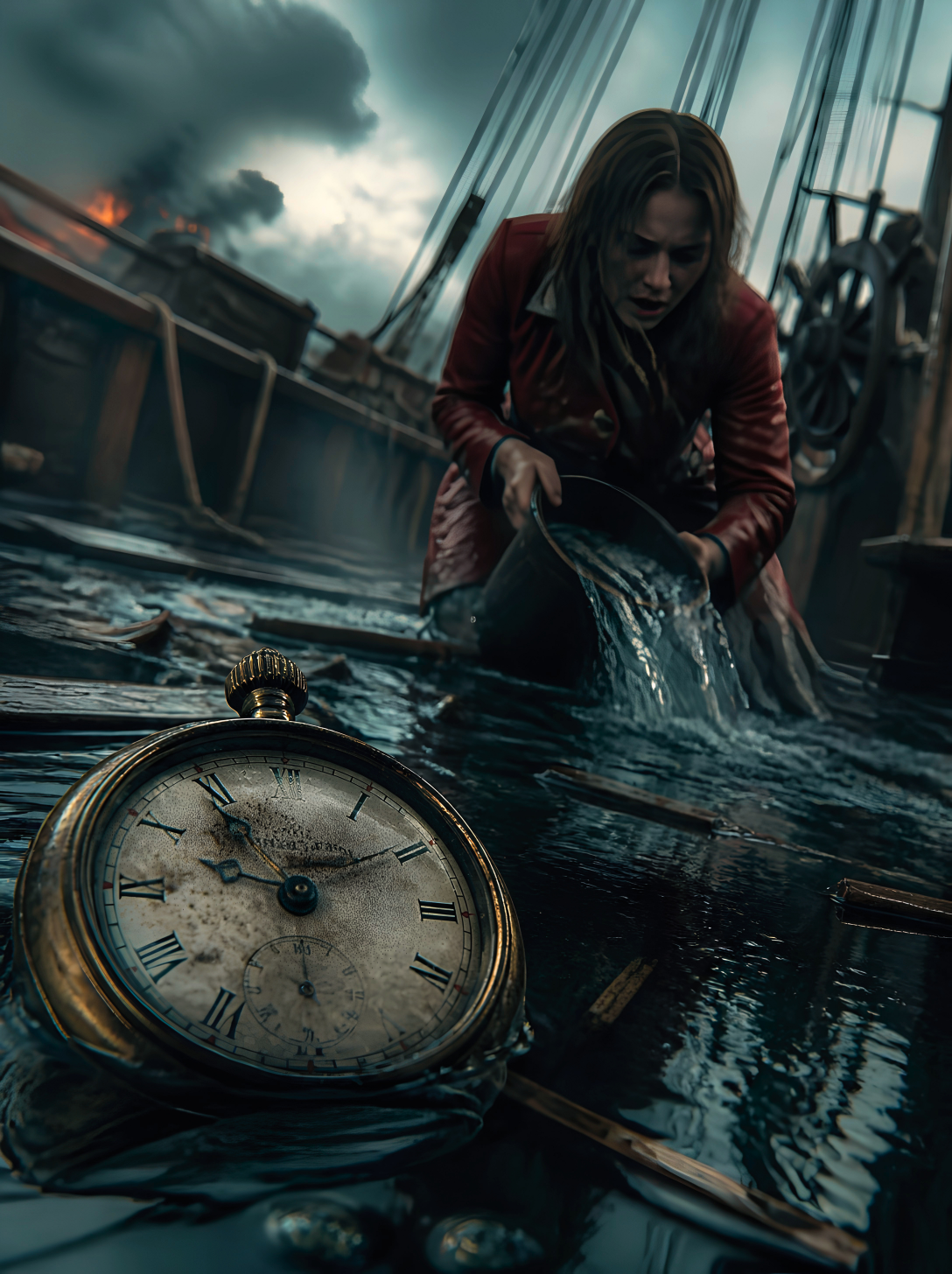
Now, heart failure is basically the ultimate end point of cardiovascular disease. It is basically the sinking of a ship; however, this is only if the ship is allowed to sink. According to the book, Heart Failure: Preventing Disease and Death Worldwide by Ponikowski et al. describes the condition as, “Heart failure is a life-threatening disease and addressing it should be considered a global health priority. At present, approximately 26 million people worldwide are living with heart failure” (Ponikowski et al., 2014) therefore recognizing not only the severity of it, but how common it is along with how the condition systematicly, “places great stresses on patients, caregivers and healthcare systems” (Ponikowski et al., 2014). And I think both of these factors combine to create a culture of fear around it, which may be just as dangerous as the heart failure itself.
This is to the point where the book itself recognizes that, “despite the burdens that heart failure imposes on society, awareness of the disease is poor.” Personally, I can concur from my own experience that yes, I knew nothing about it to begin with and had to do my own research into it since the doctors were too busy or perhaps too afraid to tell me about the condition. However, if you have congenital heart disease, the one thing you cannot afford to be is squeamish about discomfort. However, this inability to discuss this vitally important, albeit uncomfortable topic, according to the book, has, “as a result, [led] many premature deaths occur. This is in spite of the fact that most types of heart failure are preventable and that a healthy lifestyle can reduce risk. Even after heart failure has developed, premature deaths could be prevented if people were taught to recognize the symptoms and seek immediate medical attention." This is what my goal is for Theevertickingheart. To provide an extra space for information and experience for others who have or know someone with cardiovascular disease (CVD) and/or heart failure to provide a sense of hope and clarity when there seems to be none.
Heart failure is not a stop sign. But it is a warning sign.
The Scale of Heart Failure:
In order to understand how all is not lost with heart failure, it is important to understand how it is graded.
Oftentimes, it seems we prefer to think of heart failure as something like the scale of the heart against the feather of truth in ancient Egyptian mythology. Where the heart and all its moral and physical flaws are weighed against a feather to determine its worthiness of the afterlife (in this case, life), and whether it is too light or too heavy determines if it is allowed to do so. If one fails the test, their soul is devoured by an amalgamized goddess-monster of a hippo/lion. However, luckily heart disease is not that binary.
It's more of a scale ranging from A to D. The article, What Are the Stages of Heart Failure? by Jenette Restivo, describes the worsening stages of heart failure and what to expect. I summarized it below.
There Are 4 Stages of Heart Failure:
Stage A: At risk for heart failure.
No symptoms of heart failure.
No structural heart disease or evidence of elevated cardiac biomarkers.
At risk for heart failure based on factors including hypertension, diabetes, metabolic syndrome, cardiotoxic medications, or having a genetic variant for cardiomyopathy.
This is where a patient has a conditon like cardiovascular disease or diabetes or has had an event like heart attack which potentially puts the structure of the heart at risk.
State B: Pre-Heart Failiure.
No previous or current symptoms of heart failure.
Signs of structural heart disease or increased filling pressures in the heart.
This is where there are still no visible symtoms, but there are medical signs beneaht he surface that your doctor notices. At this point, it is a warning flag.
Stage C: Symptomatic Heart Failure
Structural heart disease and current or past symptoms of heart failure.
Symptoms start to show up and your heart’s strain is obvious and visible. At this point, focus should be on managing the symtoms and supporting your heart because it needs your active participation in maintaining it through habit, diet, or medication.
Stage D: Advanced Heart Failure
Advanced heart failure with symptoms that interfere with daily life or recurrent hospitalization despite medical therapy.
This is what people often think of when they think of heart failiure and completely miss the other steps. This is when one is in the hospital on oxygen because they cannot breathe sitting up or laying down. They often have swollen abdomens or legs and are mentally foggy as a result of poor circulation and water retention.
While this scale is frightening, it is a scale that does go steadily downward and is also a spectrum. It is not necessarily a one-way trip. While once you grade down on the scale, technically you do not come back up, that does not mean your symptoms are the same story. With proper medical care, taking your medicine exactly as prescribed, and listening to both your doctor and your instincts, it is possible to feel better for longer.
Heart Failure Story:
For a story, I was in extremely rough shape last year. Due to negligently withheld essential medicine, my cardiovascularly delicate system went through hell and then into 4.5 months of AFib (again!) before anyone knew what was going on. I gained weight, couldn’t speak or breathe well, and everyone, even medical professionals, told me to just lose weight and take my asthma medication. After the cardioversion and ablation to sort out the AFib, I needed diuretics as a result of a complication with the procedure. As a result of this, it turned out my weight was just fluid collected from my struggling heart as a result of the previously mentioned medical danger others intentionally put me in.
While this technically makes me Stage C, it does not mean I can't manage it. My symptoms are managed to the point where I can breathe better than I have in years. Although I haven't lost my quality of life, it's still a real pain in the butt to keep it all together.
But that is why I don’t do it myself. Now more than ever, it is important to rely on my doctors. It is essential to work with your team of medical professionals and not tackle it alone. I would personally recommend relying only on your medical professionals for advice, not friends or family, because doctors have both an investment in your health and the knowledge to maintain it.
Tips:
Heart failiure is a problem, not necessarily the end. Take care of your heart and it will take care of you.
Your heart is not seperate from you, nor is it working agianst you. Help it help you.
With heart failure, it is struggling, so lighten the load.
Personally, I had to make some changes this year. I had to stop coffee and switch to green tea. I had to really cut back on salt and moniter my liquids, which is unfortunate. If you need to make sacrifices for your heart, help it, but keep your doctor in the loop while you do.
Heart failiure is frightening, but it can be largely prevented if you take care of your heart to begin with.
In my case, I was born with it, so that means this was inevitable for me as it was only a matter of when. Considering it was wrecked at birth, this has been a good run. But if you aren’t born with a sick heart, do what you can to stay healthy. Trust me, this is situation of relying on doctors and having to monier yourself daily is not ideal especially if you can avoid it.
Instincts are critical. Listen to your heart.
Each and every time something was wrong with my heart, it told me first. The thing is, I told my friends and family who did what they emotionally could do and dismissed me to maintain their own ego. If I had gone to my doctor for help initially and put myself first before the emotional denial of others, then I would probavbly have been better off.
Oscar Wilde is one of my favorite authors. I deeply respect his work and surprisingly agree with his quote, “health is the primary duty of life.” Even with heart failure, this goal is not out of reach. I believe that our assumptions of health are often too narrow. Not in terms of power dynamics or whatnot, but I think we put health on a pedestal and hold people to it. And in some cases, this is valid because if one can keep their heart traditionally healthy, then they should. But where does that leave us? Those who were born with compromised hearts or who develop heart failure? Do we just give up and give in to the fear? I say no. Heart failure is meant to be understood and managed because even if the ship is sinking, it is not yet sunk, and as captain of your own ship, it is your duty to keep it afloat for as long as possible. It is not our duty to be healthy, but it is our duty to hang on and fight for our health as long as possible.
What do you think? Can you relate?
Comment below.
Tune in next Monday and Friday for more! I will be writing more now that I'm finally feeling better, so I'm getting a new, more frequent schedule.
Keep ticking, everybody!
P.S. Are there any aspects of CVD health or pacemakers you’d like to know more about?
Feel free to email me at:
Reference List:
Fudim, M., Yazdi, D., Egolum, U., Haghighat, A., Kottam, A., Sauer, A.J., Shah, H., Kumar, P., Rakita, V., Centen, C., Ozonat, K., Smith, S. and DeVore, A.D. (2023). Use of a Cardiac Scale To Predict Heart Failure Events: Design of SCALE-HF 1. Circulation: Heart Failure, 16(5). doi:10.1161/circheartfailure.122.010012.
Restivo, J. (2023). What Are the Stages of Heart Failure? [online] Harvard Health. Available at: https://www.health.harvard.edu/heart-health/what-are-the-stages-of-heart-failure [Accessed 5 Oct. 2026].
#cvd #chd #heartfailiure #tips #travel #arrhythmia #afib #medicine #summer #autumn #hearthealthy #medicalprocedure #procedure #cardiac #cardioversion #chronicillness #medicaldanger #medicaldevice #achd #congenital #heartsurgery #cardiology #experience #pacemaker #hope #advice